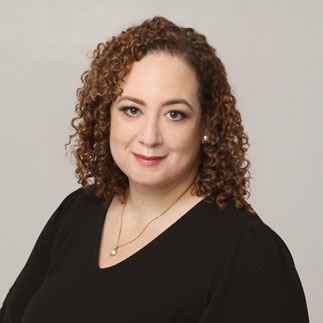
Beth Applewhite is the District Principal of Equity, Diversity, Inclusion, and Reconciliation with the Burnaby School District. BC-born and raised, Beth is a bi-racial educator of Trinidadian and Scottish heritages. During her 27 years in education, she has been unrelenting in her determination to challenge the status quo and create equitable experiences and spaces that both acknowledge racial bias and celebrate personal and cultural identities. Beth taught in Burnaby for 14 years before becoming a Vice-Principal in Surrey and later in Coquitlam. She recognizes that most folks value diversity, equity and inclusion. The challenge is encouraging them to be vulnerable enough to explore and reflect on their own biases, practices and rituals that contribute to school/district culture. Beth has been recognized for her work, including the BC Lieutenant Governor’s Community Achievement Award (2019). She was nominated for a YWCA Women of Distinction Award (2020) and was nominated for a Premier’s Award in Education (2020/21). She has also been named one of the 100 Accomplished Black Canadian Women (2020/2021). Beth is a founding Board member and the inaugural president of the BC Black Educational Leaders Association.
A Conversation with Beth Applewhite
- What is your background in Education and what made you choose this career path?
I got a double major in family science and English literature before doing my BEd at UBC. I was influenced by my mom and dad to choose education. My dad was an educator in the Carribean before coming to Canada and doing his engineering degree at UBC. I love school and intended to go to Law school since there were a lot of lawyers in my family. I wanted to initially work at a Law firm downtown but realized I wanted to have a larger impact on families and decided to be an educator. I wanted to make a difference in my community and make school a bit better for students. I wanted to improve on parts of school that weren’t so great for me as a kid. I would rarely see myself in school and I wanted to bring in my heritage and background. I didn’t see myself on the walls, in the faculty or in textbooks and I wanted to do better that way for representation. - What motivated you to form BCBELA?
Similar to my answer for the previous question, I wanted to have more representation for people that looked like me. I was often the only black person at the table in the classrooms and in the community.I was also a Chapter Council representative every few months with the BCPA of BC. I would seldom see black people in that space among hundreds of administrators. I felt isolated and a bit lonely being around people who didn’t share my experiences. Therefore, creating BC BELA was a step towards making space for people to feel heard, validated and be truly free to be their authentic selves.Another motivation was seeing the absence of black voices at the provincial level and I believed that having a provincial organization would increase our chances of being invited to the table. We want inclusion, representation and opportunities for all – not just black educators – and we want to do this by creating a more inclusive space for everyone.We also wanted a platform and organization for educators and black leaders to go to for help, support, understanding black history, joy, contributions, and achievements. We now have a group catering specifically to black educators in addition to organizations like BC Black History. We can help educators and leaders educate people in their communities about the importance of black issues and why they should matter to everyone. Black history and excellence are Canadian history.We also saw a lack of opportunities in PD for black educators so we hope to provide opportunities for meaningful PD in BC to focus on sustaining the use of EDID and anti-racism lenses.We want other educational partners to be able to alongside us. We hope to foster collaboration and reciprocal relationships so we can learn from others and help them in learning as well. - How have the efforts of BCBELA translated to real impact on the Black Educator community?
In just one year, we have had many testimonies, comments, and positive feedback from black educators that have joined in their feelings of being heard and being able to be the true version of themselves.People have been grateful to have a place to be themselves and not having to explain, justify, or share a situation by making it more digestible for others. They can share the truth about microaggressions they have experienced without being pushed down or dismissed.We have also seen and heard from black educators/classroom teachers who have shared never having black teachers when they were students and teachers who have never had black administrators. They thank us and feel better that we exist to provide a sense of pride and belonging. We are also able to provide them with mentorship for becoming leaders in their spaces.We are also now being invited to sit at the table by other more established associations such as BC FSA, Black History Month, the Ministry of Education etc. This impacts people because it legitimizes our work – encourages and validates other black educators/leaders. The work we are doing and sharing with others is being validated and acknowledged. - What are BCBELA’s current goals and objectives?
BCBELA’s current goals and objectives:- Holding a space for educators to be themselves and engage with courage and dignity.
- Building leadership capacity in black educators.
- Educating and bringing awareness of art, history, love, and joy throughout the k-12 system.
- Provide opportunities for PD to focus on sustaining the use of indigenous lenses as well on anti-black racism.
- Finding ways to support and walk alongside our education partners to create a more inclusive education system for everyone.
Values:
- Excellence
- Empowerment
- Joy and sense of belonging
- Service
“Diversity is having a seat at the table, inclusion is having a voice, and belonging is having that voice be heard.” – Liz Fosslien
One of the many goals at BC Bela is having representation at the tables that matter to have our voices heard.
- Where do you see yourself and BCBELA in five years? In ten years?
We hope to have the capital/ funding to still be in existence and become even more established as an association so that we are invited to more conferences and discussions. We are a group that has historically been silenced and are looking forward to actual reciprocal relationships for collaboration, learning, and celebration by walking alongside each other.Our dream is to have continued growth for future generations even when our current executive group retires. We want to continue to honour our ancestors by living through joy, hope, love, and humility. These take vulnerability and courage to be able to do.We hope that we will still be having a positive impact on the education system in BC by helping it be more inclusive and anti-racist.


