
Studying is hard work. Make it easier and enter alumniUBC’s Cram for Exams Tuition Contest to win $2,500 towards tuition. Open to all currently registered UBC students!
Studying is hard work. Make it easier and enter alumniUBC’s Cram for Exams Tuition Contest to win $2,500 towards tuition. Open to all currently registered UBC students!

The History Education Network (Dr. Penney Clark, Director) and the Historical Thinking Project (Dr. Peter Seixas, Director) were featured in a new report from the Conference Board of Canada, Making the Connection: Growing Collegiality and Collaboration Between K-12 and PSE Educators. The two networks together served as one of three case studies used to examine connections between the K-12 and post-secondary education sectors.
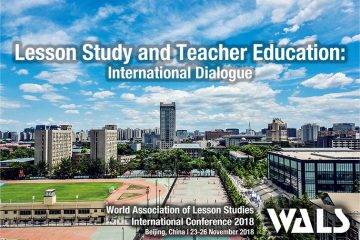
The World Association of Lesson Studies (WALS) International Conference 2018 will be held November 23-26, 2018 at Beijing Normal University, China’s leading higher institution for educational studies and teacher education.
The theme of the WALS 2018 is Lesson Study and Teacher Education: International Dialogue. It aims to provide a platform for an international and cross-cultural dialogue through which educators and researchers from different parts of the world can contribute to a broad vision for sharing their knowledge, understanding and experience of lesson study as a form of practice-based research.
The portal for paper and session submissions is now open. Deadline for submissions: June 30, 2018.
Please review the Call for Submissions PDF that contains important information about this year’s Annual Conference theme and submission requirements.
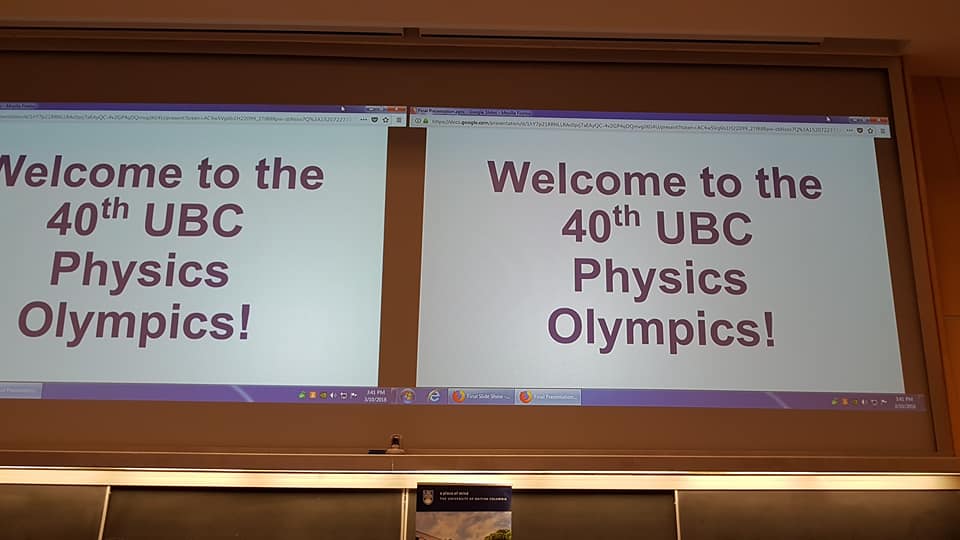
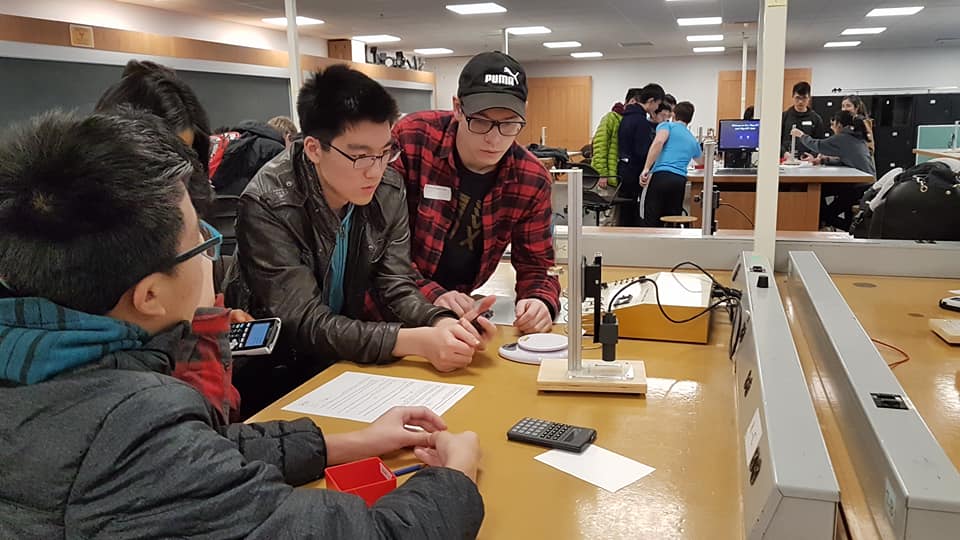
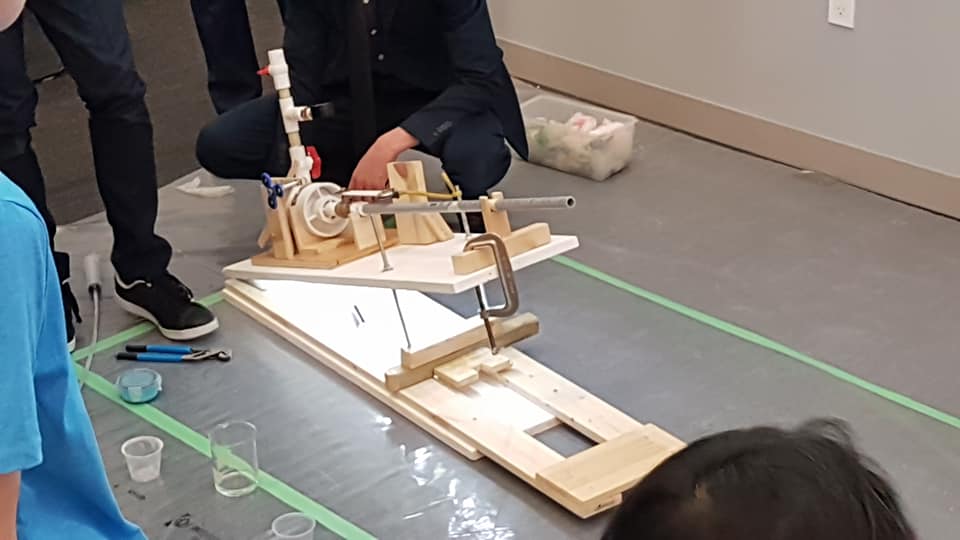
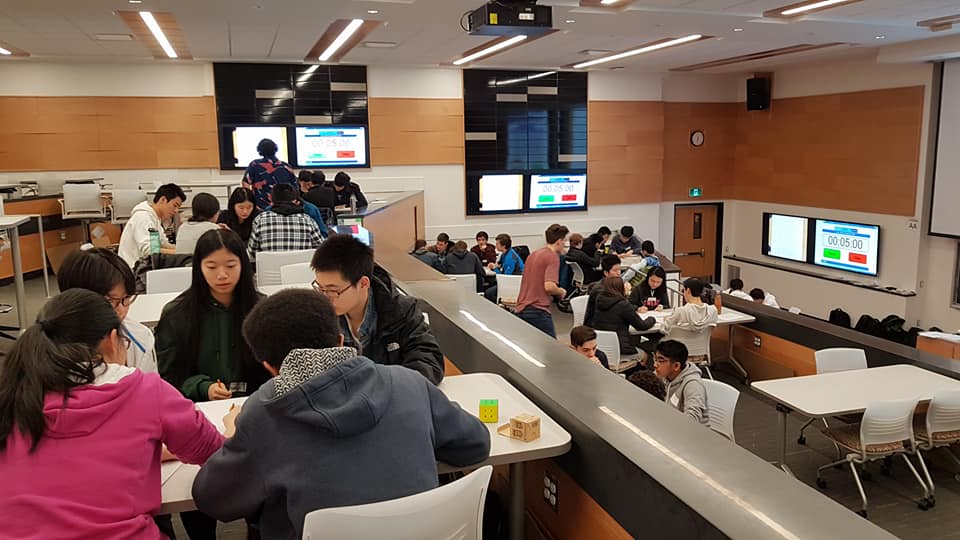
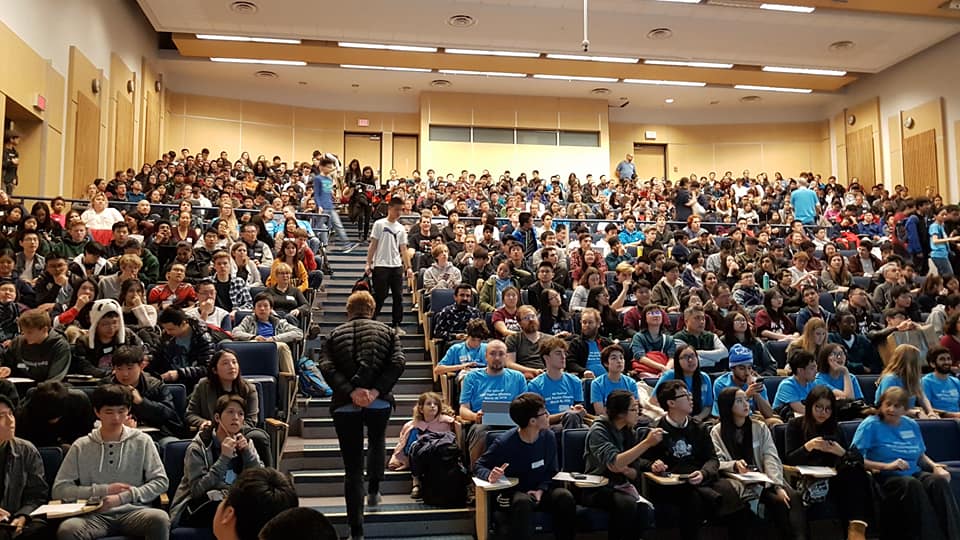
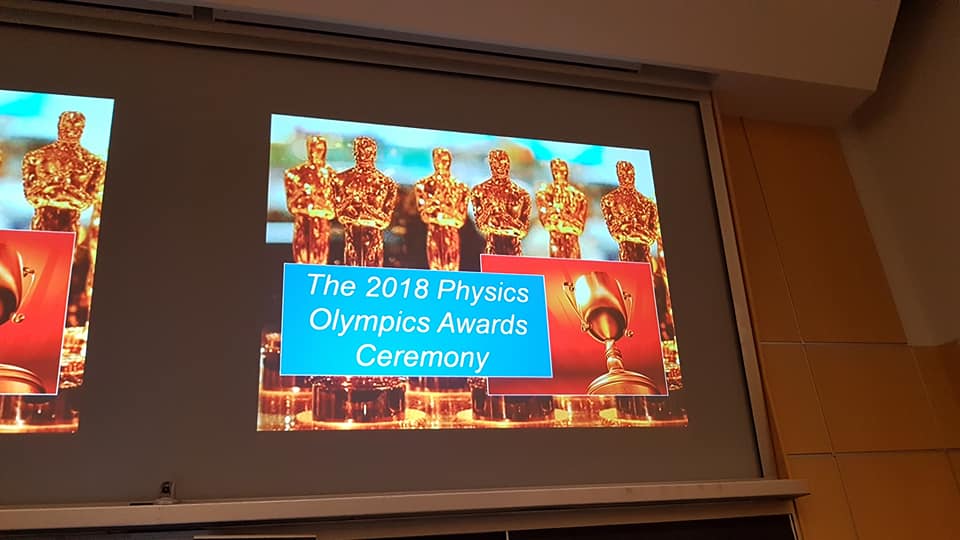
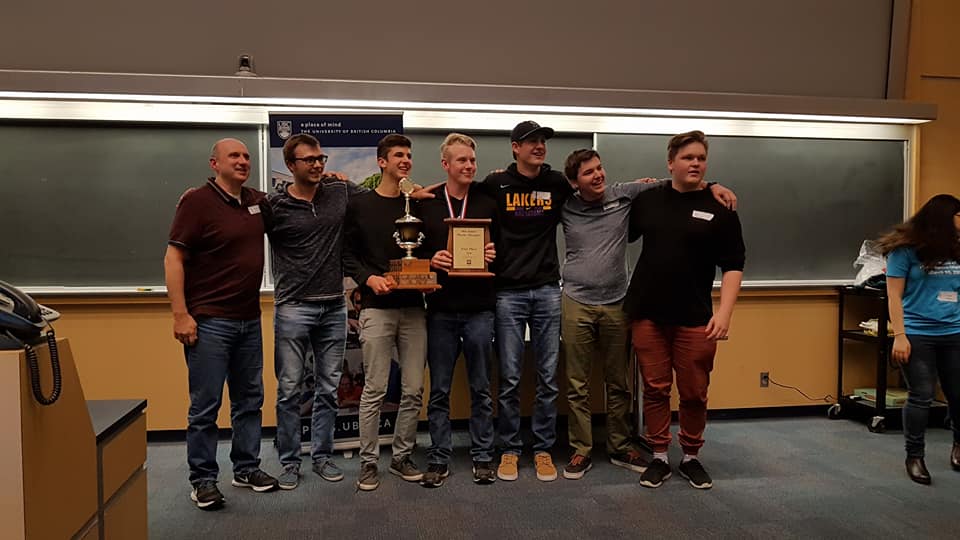
The 40th annual UBC Physics Olympics event was held at UBC’s Vancouver campus on Saturday, March 11, 2018. Co-hosted by the Department of Curriculum and Pedagogy in the Faculty of Education, and the Department of Physics and Astronomy in the Faculty of Science, the event was a great success, with a record number of teams and students attending from all over BC: 73 teams and 721 students. Congratulations to the winning team from Penticton Secondary School, whose teacher, Bruce Gowe, is a former UBC graduate.
In addition, Dr. Marina Bolotin-Milner facilitated a professional development event for teachers that featured presentations by two very successful BC teachers, Mrs. Giselle Lawrence and Mr. Pouyan Khalili.The event focused on new British Columbia science curriculum and on different ways of facilitating inquiry in a science classroom.
Infinity – The number of laughs and the level of excitement
1352 km – The distance from Terrace to Vancouver (the most remote school attending the event)
722 – Number of students attending the 40th UBC Physics Olympics
365 – Number of days we spent planning the event since the last year
108 – Number of medals awarded to top teams
82 – Number of team leaders (teachers and coaches) supporting the students
73 – Number of teams in attendance
71 – Number of volunteers supporting the event (faculty, graduate and undergraduate students)
40 – Number of UBC Physics Olympics we have organized so far
39 – The size of the largest team in attendance
35 – Number of physics teachers who participated in the Professional Development event
10 – Number of times Penticton Secondary School has won the overall event since 1977
6 – Number of heats (independent events during the day)
6 – Number of plaques awarded to the schools
2 – Number of pre-build events the students had prepared at home
2 – Number of large auditoriums we had to use to seat all the participants, coaches and volunteers for the final event.
1 – Number of Officers of the Order of Canada who facilitated our events (Dr. J. Matthews)
1 – The overall Physics Olympics Trophy
The Department of Language and Literacy Education is pleased to announce the appointment of Dr. Ryan Deschambault to a tenure-track position in Educational Leadership and the promotion of Dr. Reginald D’Silva to the position of Senior Lecturer with tenure.
Congratulations to you both!
By: Stacey Margarita Johnson
March 9, 2018
In episode 43 of the We Teach Languages podcast, host Stacey Margarita Johnson asks Dr. Ryuko Kubota, a professor of language and literacy education at the University of British Colombia in Vancouver, Canada, about a recent publication in which she explores ten common misconceptions in English language teaching (ELT). Ryuko talks about several of those misconceptions, including how beliefs about native speakers, whiteness, and legitimate forms of language contribute to the general public’s understanding of who is a good language teacher. Although this interview centers on ELT, teachers of all languages will find points of relevance to their own work.
Listen to the podcast here.
You can also listen on iTunes or the Apple podcast app: here.
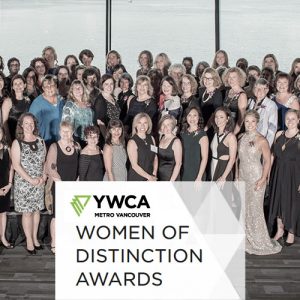
The Faculty of Education is pleased to congratulate two Education alumni on being nominated for the 2018 YWCA Women of Distinction Awards in the category of Education, Training & Development:
Recognized nationally, the YWCA Women of Distinction Awards honours individuals and organizations whose outstanding activities and achievements contribute to the well-being and future of our community.
Winners will be announced at the 35th annual YWCA Women of Distinction Awards ceremony to be held at the JW Marriott Parq Vancouver on Thursday, June 7, 2018.

As a Teacher Consultant for Richmond School District, Rosalind is leading ground-breaking initiatives in the areas of Science, Environmental Sustainability, Literacy, Assessment and Mentorship. She has been key in the development of ground breaking concept-based, competency-driven Grades 10-12 Science curriculum and worked with a multi-district team to develop Performance Standards for the implementation of the K-9 Science curriculum. Rosalind led the redesign and implementation of the District’s Environmental Stewardship Policy through the creation of new structures and programs. She established a new district network focusing on inquiry processes to enhance student learning and has been part of the provincial Adolescent Literacy Network, supporting multi-district collaborative learning around literacy and assessment. Rosalind has received awards from the City of Richmond and the Richmond Board of Education for empowering students and educators.

Colleen, Vice-President, Academic at the Justice Institute of BC (JIBC), played a critical role in the development of Canada’s first interdisciplinary undergraduate degree in JIBC’s Bachelor of Emergency and Security Management Studies. She was instrumental in establishing JIBC’s innovative relationship with the Aga Khan Development Network, contextualizing and adapting curriculum for learners in south and central Asia. Colleen was JIBC’s champion for the Rural Disaster Resiliency Planning and Aboriginal Disaster Resiliency Planning projects. These applied research projects led to the creation of web-based tools and community education materials to help improve the disaster resiliency of rural, remote and Indigenous communities. Her numerous volunteer and community activities include serving on the board for the Emergency Social Services Association and being a representative at the 2017 Global Platform for Disaster Risk Reduction.
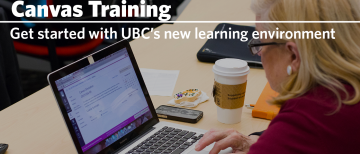
Connect-to-Canvas transition in our Faculty has been ongoing as planned. There are about 100 sections migrated for January 2018 and about 70 for summer, but we can do more! UBC IT has created all Canvas course shells for Summer 2018. This gives us the opportunity to offer, in Canvas, all Faculty of Education courses (except for those taught in the Teacher Education Program) this summer.
If you will be teaching a course in the Summer (and it is not a part of the Teacher Education Program), you can begin working on it in Canvas. Visit canvas.ubc.ca to log in to Canvas.
If this will be your first time teaching in Canvas, Educational Technology Support (ETS) will be offering Canvas training sessions in the beginning of April. Stay tuned for more information on our website.
Feel free to contact ETS by email at ets.educ@ubc.ca or by phone at 604-822-6333 if you have any questions.
On Wednesday, February 28, 2018, Dr. Mona Gleason gave a presentation to the Faculty of Education which discussed her research and administrative leadership experience to demonstrate her suitability for the position of Head of the Department of Educational Studies.
For those of you who attended Dr. Gleason’s presentation or have watched the video of her presentation, the Advisory Committee welcomes your feedback in an online evaluation form. Your feedback is of high value to the Advisory Committee’s deliberations. Please click the link below to access the online evaluation form.
Please note, the evaluation form is open until Friday, March 9 at 11:45 p.m. After this time, the evaluation form will close. If you did not attend Dr. Gleason’s presentation or did not watch the online video of her presentation, please do not fill out the online evaluation form.
Congratulations to Dr. David Anderson, Department of Curriculum & Pedagogy (EDCP), and his faculty team (Dr. Lisa McIntosh, Dr. Alex de Cosson, and Dr. Jill Baird) on receiving the 2018 Change Makers Award from the British Columbia Museums Association (BCMA).
The award recognizes the team for developing and leading the UBC’s Masters of Museum Education (MMEd) program and the significant impact of this program in the professional development of Museum Educators. This award has been singled out, among all university-wide awards, for recognition by the UBC Board of Governors in the “Service” category.


